BPC-157 Research Guide Ireland 2026
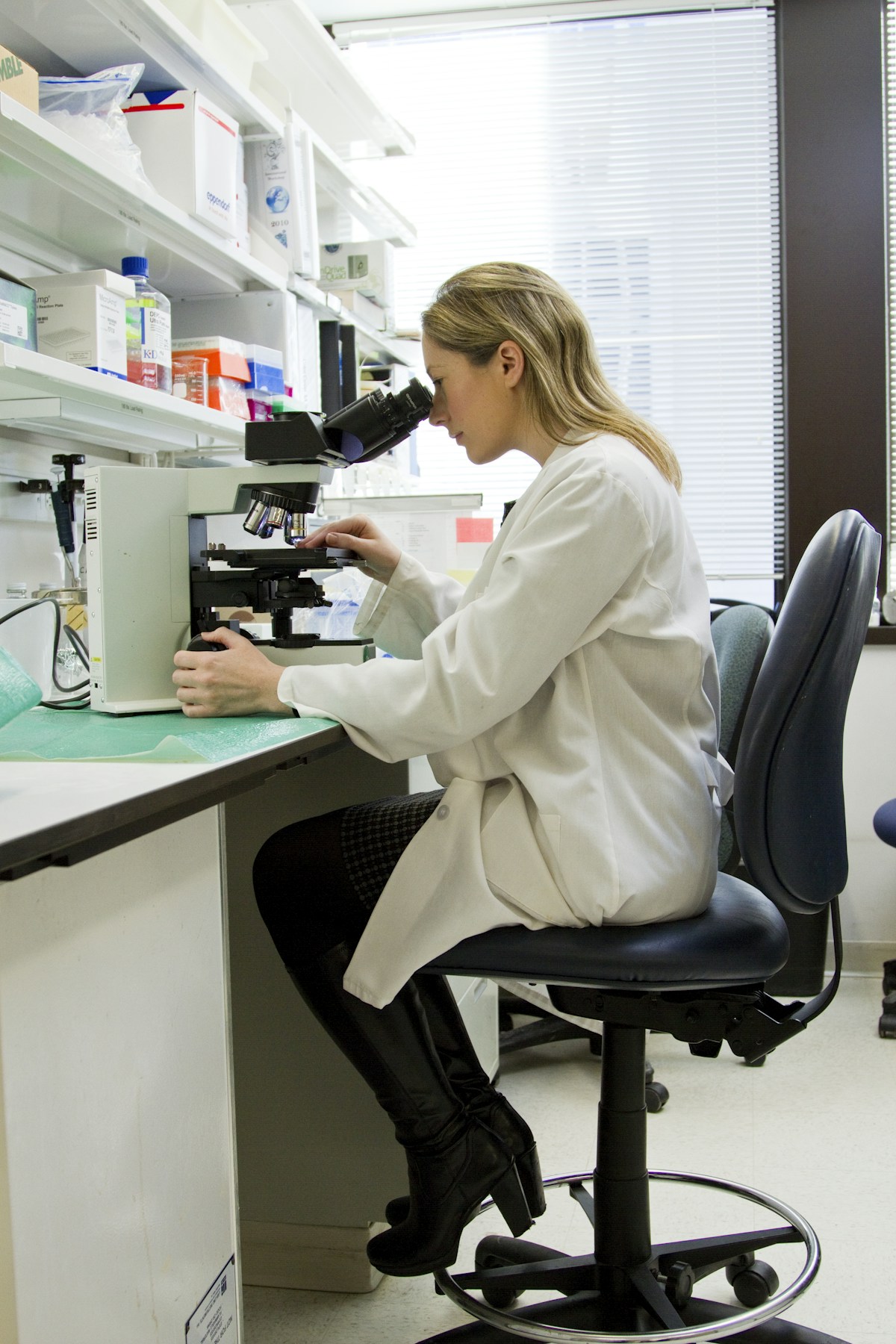
A complete, research-focused overview of BPC-157 Ireland — mechanism, preclinical findings, dosing in published studies, and how to source quality research peptides Ireland with confidence.
Introduction to BPC-157 Ireland
BPC-157, a pentadecapeptide first isolated from human gastric juice, has become one of the most studied compounds in the field of tissue repair and recovery research. For laboratories and independent researchers across the country, BPC-157 Ireland represents a cornerstone of modern regenerative peptide investigation. This 2026 guide brings together the published preclinical literature, practical sourcing considerations for those looking to buy peptides Ireland, and the quality benchmarks that define reputable research peptides Ireland suppliers.
This article is intended strictly for laboratory and research purposes. None of the information here should be interpreted as medical advice, and BPC-157 is not approved for human consumption.
What Is BPC-157?
BPC-157 is a 15-amino-acid sequence (GEPPPGKPADDAGLV) derived from a larger protein found in gastric juice. It has been investigated primarily for its role in gastrointestinal mucosal protection and tissue repair. In preclinical models, BPC-157 has been associated with enhanced angiogenesis, modulation of the nitric oxide system, and upregulation of growth factor expression — all of which are relevant to how the body repairs damaged tissue.
Researchers studying tissue regeneration often prioritise BPC-157 because of its broad mechanism profile and the volume of published literature supporting further investigation. When you buy peptides Ireland for recovery-focused work, BPC-157 frequently appears at the top of the list.
Mechanism of Action in Research Models
Published studies suggest several interconnected pathways through which BPC-157 may act:
- Angiogenesis promotion: BPC-157 has been linked to increased expression of VEGFR2 and the upregulation of endothelial nitric oxide synthase (eNOS), supporting new blood vessel formation in injured tissue.
- Nitric oxide modulation: The peptide appears to interact with the NO system in a way that supports healing rather than oxidative damage.
- Growth factor signalling: Upregulation of growth hormone and EGF receptors has been observed in tendon and ligament models.
- Anti-inflammatory effects: Reduced inflammatory cytokine expression has been reported in several gastrointestinal and musculoskeletal models.
These mechanisms make BPC-157 Ireland a valuable reference compound for researchers comparing regenerative pathways across peptide families.
Preclinical Findings: Tendon, Ligament and Gut
A consistent body of preclinical work has examined BPC-157 in tendon-to-bone healing models, ligament injury models, and gastric lesion models. In tendon research, studies have reported improved collagen organisation and faster functional recovery compared with controls. In gastrointestinal models, BPC-157 has been associated with protection against lesions and accelerated healing of the mucosal lining.
It is important to emphasise that these findings come from animal and in vitro models. Translating them to human application requires clinical study, which has not yet been completed at scale. For now, BPC-157 remains a research-grade compound.
Dosing in Published Research
Reported research doses vary widely depending on the model and route used. Published preclinical studies have commonly used microgram-per-kilogram ranges administered via various routes. Researchers planning new work should consult the primary literature rather than relying on secondary summaries, and should design protocols that align with institutional and ethical review standards.
When sourcing material, consistency matters. Buying research peptides Ireland from a supplier that provides batch testing and a Certificate of Analysis (COA) ensures the concentration and purity assumed in a protocol matches what is in the vial.
How to Buy Peptides Ireland Responsibly
For researchers asking how to buy peptides Ireland with confidence, several practical checkpoints apply:
- Request a COA. A reputable supplier provides batch-specific certificates of analysis showing purity (typically HPLC) and mass verification.
- Check storage guidance. Lyophilised peptides should be stored cold and reconstituted according to documented protocols.
- Verify customer support. Genuine research suppliers are contactable and responsive — for example, via WhatsApp or Telegram for technical questions.
- Look for clear research-use disclaimers. Responsible vendors explicitly state products are for research use only and not for human consumption.
Following these steps is the hallmark of working with trusted research peptides Ireland providers.
BPC-157 Ireland and the Wider Peptide Landscape
BPC-157 is often studied alongside other regenerative compounds. TB-500 (Thymosin Beta-4) is a frequent companion in angiogenesis and tissue repair research, and some research peptides Ireland formulations combine BPC-157 with GHK-Cu for skin and soft-tissue work. Researchers comparing these compounds benefit from sourcing all materials from a single, quality-controlled supplier to minimise inter-batch variability.
Conclusion
BPC-157 Ireland remains one of the most compelling subjects in regenerative peptide research. Its broad mechanism profile, substantial preclinical literature, and relevance to tendon, ligament and gastrointestinal healing make it a priority compound for 2026. By choosing to buy peptides Ireland from suppliers that prioritise COAs, proper storage and transparent communication, researchers can conduct their work with the consistency and integrity that good science demands.
Disclaimer: All information in this article is for laboratory and research purposes only. BPC-157 is not a medicine, supplement or consumer product and is not intended for human or veterinary use.
FOR RESEARCH USE ONLY · NOT FOR HUMAN CONSUMPTION. This article is for laboratory and research purposes only and is not medical advice.